Notes
Structuring Enterprise Python Projects 2025: Flask/FastAPI with Clean Architecture Principles
Here's a combined structure, blending Clean Architecture principles with Flask/FastAPI recommendations, optimized for enterprise-level Python web applications:
Project Structure:
project/
├── app/
│   ├── __init__.py             # Application factory (if using Flask) or app creation logic
│   ├── main.py                 # Main entry point (FastAPI/Flask app instance)
│   ├── api/
│   │   ├── __init__.py         # API versioning support
│   │   ├── v1/                 # API v1
│   │   │   ├── endpoints/      # Route handlers for v1
│   │   │   │   ├── __init__.py
│   │   │   │   ├── user.py     # Example: User endpoints
│   │   │   │   └── product.py  # Example: Product endpoints
│   │   │   ├── schemas/        # Pydantic models for validation
│   │   │   │   ├── __init__.py
│   │   │   │   ├── user.py
│   │   │   │   └── product.py
│   │   └── v2/                 # Future API versions
│   │       ├── endpoints/
│   │       ├── schemas/
│   │       └── ...
│   ├── core/
│   │   ├── config.py           # Configuration management (e.g., reading env vars)
│   │   ├── security.py         # Authentication and authorization logic
│   │   └── exceptions.py       # Custom exception handlers
│   ├── db/
│   │   ├── __init__.py         # Database initialization
│   │   ├── base.py             # Base class for ORM models (e.g., SQLAlchemy)
│   │   ├── models/
│   │   │   ├── __init__.py
│   │   │   ├── user.py
│   │   │   └── product.py
│   │   └── migrations/         # Database migration scripts
│   │       ├── env.py
│   │       └── versions/
│   ├── domain/                 # Core business logic (agnostic to frameworks)
│   │   ├── entities/           # Core entities
│   │   │   ├── __init__.py
│   │   │   ├── user.py         # User entity (pure business logic)
│   │   │   └── product.py      # Product entity
│   │   ├── repositories/       # Repository interfaces
│   │   │   ├── __init__.py
│   │   │   ├── user.py
│   │   │   └── product.py
│   │   ├── services/           # Business use cases
│   │   │   ├── __init__.py
│   │   │   ├── user_service.py
│   │   │   └── product_service.py
│   │   └── exceptions.py       # Domain-specific exceptions
│   ├── infrastructure/         # Framework and implementation details
│   │   ├── repositories/       # Concrete repository implementations
│   │   │   ├── __init__.py
│   │   │   ├── user_repo.py    # SQLAlchemy implementation for user repository
│   │   │   └── product_repo.py # SQLAlchemy implementation for product repository
│   │   ├── email/              # Email sending logic
│   │   │   ├── __init__.py
│   │   │   └── sendgrid.py     # Example: SendGrid integration
│   │   ├── storage/            # File storage logic (e.g., S3)
│   │   ├── tasks/              # Background tasks (e.g., Celery)
│   │   └── third_party/        # External API integrations
│   └── utils/                  # Shared utility functions
│       ├── __init__.py
│       ├── logger.py           # Logging configuration
│       └── helpers.py          # General helper functions
├── tests/
│   ├── __init__.py
│   ├── unit/                   # Unit tests
│   │   ├── test_user.py
│   │   └── test_product.py
│   ├── integration/            # Integration tests
│   │   ├── test_api_v1.py
│   │   └── test_db.py
│   ├── e2e/                    # End-to-end tests
│   │   └── test_full_flow.py
│   └── conftest.py             # Pytest fixtures
├── config/                     # Environment-specific configurations
│   ├── base.py                 # Shared settings
│   ├── dev.py                  # Development-specific settings
│   └── prod.py                 # Production-specific settings
├── scripts/                    # One-off scripts and utilities
│   ├── migrate.py              # Database migration runner
│   ├── seed_data.py            # Script for seeding initial data
│   └── clean_logs.py           # Example: Log cleanup script
├── docker/                     # Docker-related files
│   ├── Dockerfile              # Base Dockerfile
│   ├── docker-compose.yml      # Docker Compose configuration
│   └── entrypoint.sh           # Entrypoint script
├── docs/                       # Documentation
│   ├── architecture.md         # Architecture documentation
│   └── api_reference.md        # API reference
├── .env                        # Environment variables (local development)
├── pyproject.toml              # Dependency and build configuration (Poetry support)
├── README.md                   # Project overview and instructions
└── .gitignore                  # Ignored files
Key Features of This Structure:
-
Separation of Concerns:
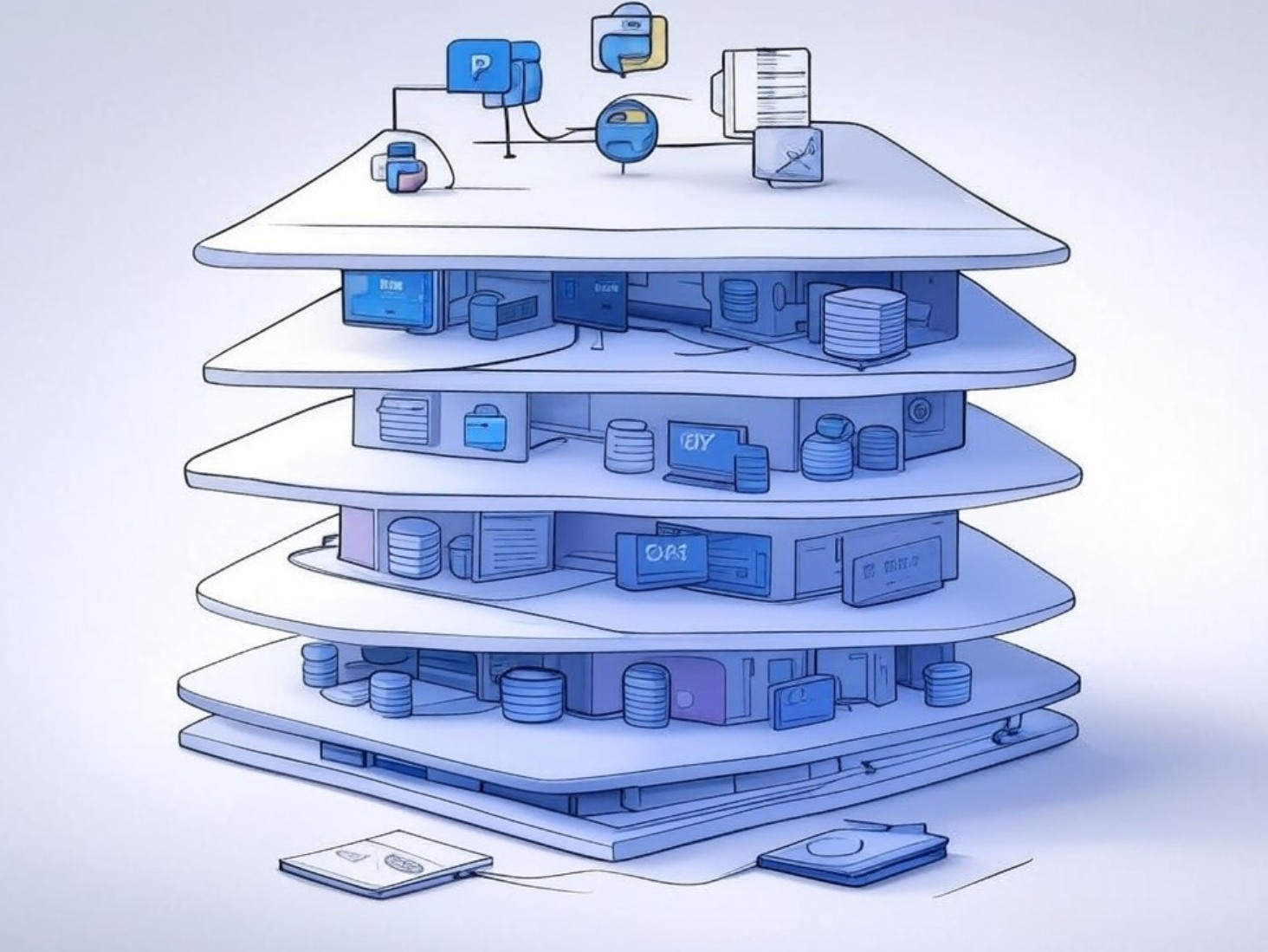
- Domain Layer: Pure business logic.
- Infrastructure Layer: Implementation details (databases, email, storage, etc.).
- API Layer: Handles HTTP requests and responses.
-
Scalability:
- Modular structure ensures easy expansion of APIs, domain logic, and integrations.
-
Testing:
- Tests are organized into
unit,integration, ande2efor clarity. - Fixtures in
conftest.pysupport reusability.
- Tests are organized into
-
Configuration Management:
- Centralized
config/directory with environment-specific settings (base.py,dev.py,prod.py).
- Centralized
-
Modern Tools:
pyproject.toml: Centralized configuration for dependencies and build.- Docker support for reproducible deployments.
-
Framework-Agnostic Design:
- The domain layer is isolated and can be reused or tested independently of Flask/FastAPI.
When to Use This Structure:
- Enterprise-grade projects requiring high scalability.
- Web applications with complex business logic.
- Teams that want clear boundaries between layers for testability and maintainability.
This structure combines the best of Clean Architecture and practical needs for modern Python web development.
Quote of the day:
Люди так простодушны и так поглощены ближайшими нуждами, что обманывающий всегда найдет того, кто даст себя одурачить.
By den
On Jan 28, 2025